The Psychological Architecture of Casinos
Casinos are meticulously designed environments that leverage psychological principles to keep patrons engaged. From the moment one steps inside, the atmosphere is crafted to evoke excitement and anticipation. The use of bright lights, vibrant colors, and strategically positioned machines creates a sensory overload that stimulates the brain’s reward centers, encouraging visitors to stay longer and spend more as they might love casino experiences that thrill and captivate. Research indicates that certain colors, like red and gold, can heighten feelings of exhilaration and urgency, effectively influencing gambling behavior.
Additionally, the layout of a casino plays a crucial role in its design. The absence of clocks and windows is intentional; it disorients visitors’ sense of time and reality, making them less aware of how long they have been playing. This lack of temporal reference contributes to a feeling of liberation, allowing guests to immerse themselves in the experience without the distraction of the outside world. In this way, casinos create an environment where time becomes irrelevant, keeping customers engaged for hours on end.
Moreover, sound design is another critical element in this psychological strategy. The sounds of coins clinking, the jubilance of a slot machine jackpot, and the cheers from table games all contribute to a stimulating auditory experience that reinforces positive emotions. These sound cues trigger the brain’s dopamine release, which not only enhances enjoyment but also fosters a desire to replicate those winning experiences. This intricate blend of auditory and visual stimuli is a key reason why patrons feel compelled to return.
The Role of Reward Systems
The reward system is a central feature of casino design that keeps players coming through the doors. Every spin of the wheel or pull of the lever is a chance to win, creating an adrenaline rush that can be addictive. Casinos employ reinforcement schedules that offer intermittent rewards—sometimes a player wins big, other times not at all, but the thrill of the possible win keeps players returning in hopes of that next jackpot. This gambling psychology taps into the brain’s natural reward system, mimicking other forms of addiction, such as drugs or alcohol.
Furthermore, casinos often utilize loyalty programs to enhance the reward experience. These programs offer point systems that can lead to free play, meals, and even accommodations, which can significantly increase customer loyalty. By incentivizing repeated visits, casinos effectively create a cycle where the player feels they are not just gambling but earning a reward for their loyalty. This strategy builds a sense of community and belonging, making returning to the casino feel less like a gamble and more like an ongoing membership to an exclusive club.

In addition, the experience of winning, however small, fuels the desire to continue playing. Casinos capitalize on this by ensuring that wins, even minor ones, are celebrated loudly and visually. The celebration of these wins, accompanied by cheerful sounds and flashing lights, reinforces the idea that luck could be just around the corner, compelling players to chase that next win or the emotion tied to it. This psychological push further establishes a cycle of repeated visits.
The Social Aspect of Gambling
The social environment of casinos also plays a significant role in drawing customers back. Many people view gambling not just as a solitary activity but as a social event where they can interact with friends, family, and even strangers. Casinos often design their spaces to facilitate interaction, featuring open layouts, social games, and areas where guests can congregate. This aspect of camaraderie enhances the overall experience, making it more than just about winning but also about bonding over shared experiences.
Additionally, casinos frequently organize events and entertainment to attract crowds. Live shows, concerts, and tournaments foster a community environment, inviting guests to return regularly for the social aspects as well as the gambling opportunities. These events create a sense of excitement around the casino, encouraging visitors to plan trips not just for gambling but also for entertainment. When people associate their casino visits with social enjoyment, they are more likely to return.
The presence of lounges, bars, and restaurants within casinos further enriches the social experience. Guests can share a meal or a drink, creating a relaxed atmosphere that encourages longer stays. By providing a variety of activities beyond just gambling, casinos can appeal to a broader audience, benefitting those who may not typically be inclined to gamble. This multifaceted approach to social interaction guarantees that there’s always a reason to return, whether for a night of fun with friends or simply to partake in a wider communal experience.
The Illusion of Control
Casinos often create an illusion of control to keep players engaged. This manifests in the design of games that provide a sense of agency, where players feel that their choices directly influence the outcomes, even though these outcomes are ultimately governed by chance. Many games allow for various betting strategies, and the ability to make choices gives players the false sense that they can influence their fate, which keeps them engaged longer than they might otherwise be.
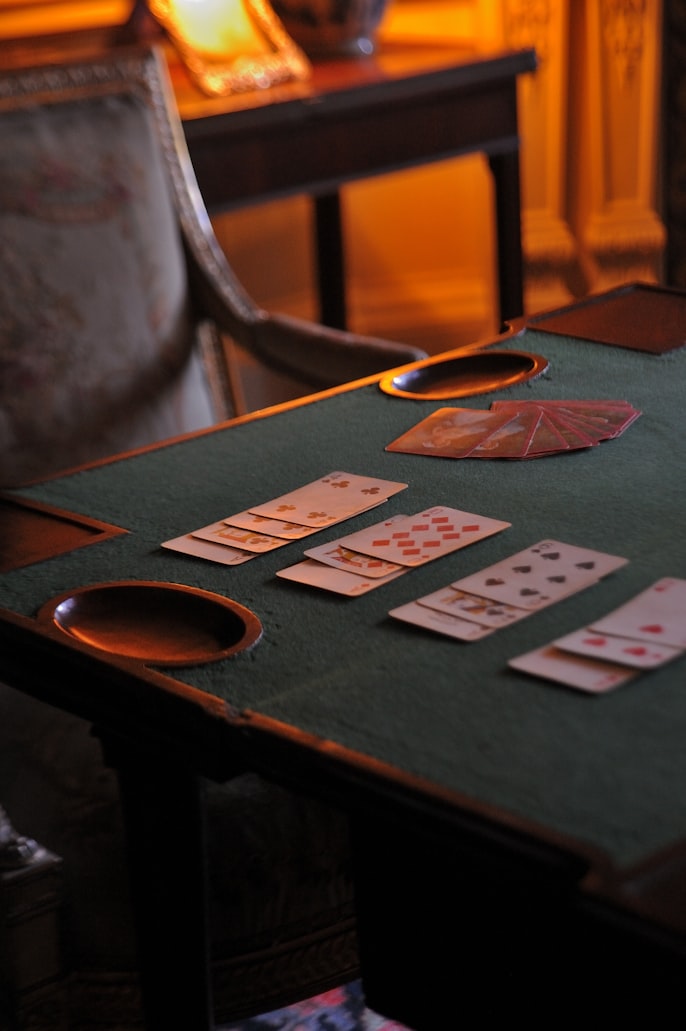
This illusion is especially prevalent in table games like blackjack and poker, where skill and strategy come into play. Players believe that their decisions can drastically alter the results, leading them to invest more time and money. By promoting the idea that skill and decision-making matter, casinos enhance the experience of gambling while further encouraging repeated visits. This psychological framework allows individuals to justify their gambling behavior, often returning in hopes of further honing their skills and improving their odds.
Furthermore, the design of slot machines has evolved to include features like “near misses,” where players almost win, which keeps them engaged under the belief that a win is just around the corner. These design elements stimulate a player’s desire to keep trying, creating a cycle where they continue to play in frustration and hope. This mastery over players’ psychology and perception of control is a fundamental reason casinos are designed to keep patrons returning for more.
Exploring Responsible Gaming Resources
Understanding the dynamics behind casino design is essential not just for recognizing their appeal but also for promoting responsible gambling. There are numerous resources available that focus on educating players about the risks and rewards associated with gambling. These resources can help individuals develop a healthier perspective towards gaming, ensuring that they can enjoy their experiences without falling into problematic behaviors.
Many casinos have implemented initiatives to support responsible gaming, providing tools that allow players to set personal limits on their spending and playing time. This proactive approach aims to foster a safe environment for all patrons. Visitors are often educated on recognizing signs of gambling addiction and encouraged to seek support if they feel their gaming habits are becoming problematic. These efforts are crucial in maintaining a balance between enjoying the thrill of gaming and safeguarding against adverse consequences.
In addition, online platforms provide comprehensive guides and support systems for those who may require help. By raising awareness of these resources, casinos can create an informed audience that understands both the entertainment aspect and the inherent risks of gambling. Ultimately, fostering a healthy gaming culture benefits not just the casinos but also the players who seek responsible engagement with the gaming world.


