Métodos de pago seguros en plataformas de apuestas

En la actualidad, el mundo de las apuestas en línea ha experimentado un crecimiento exponencial, lo que ha llevado a un aumento en la demanda de métodos de pago seguros para garantizar transacciones financieras sin problemas. En este sentido, es fundamental que los usuarios que desean participar en juegos de azar en línea tengan la tranquilidad de que sus datos personales y financieros están protegidos de posibles fraudes.

Existen diversas opciones para realizar pagos seguros en plataformas de apuestas en línea, cada una con sus propias características y niveles de seguridad. A continuación, se presentan algunos de los métodos de pago más populares y seguros disponibles para los usuarios:

– Tarjetas de crédito y débito: Las tarjetas de crédito y débito son uno de los métodos de pago más comunes en plataformas de apuestas en línea. Estas tarjetas permiten a los usuarios realizar transacciones rápidas y seguras, ya que están protegidas por sistemas de cifrado avanzados que garantizan la confidencialidad de la información personal y financiera del usuario.

– Monederos electrónicos: Los monederos electrónicos, como PayPal, Skrill, Neteller, entre otros, son una opción popular para realizar pagos en plataformas de apuestas en línea. Estos servicios permiten a los usuarios almacenar fondos de forma segura y realizar transacciones de manera rápida y sencilla, sin tener que revelar información financiera sensible a la plataforma de apuestas.

– Transferencias bancarias: Las transferencias bancarias son otro método de pago seguro en plataformas de apuestas en línea. Aunque pueden tardar más en procesarse que otros métodos de pago, las transferencias bancarias son una opción segura para aquellos usuarios que prefieren no utilizar https://www.sevillacf.es/casas-de-apuestas-que-no-limitan/ tarjetas de crédito o débito en sus transacciones financieras en línea.

– Criptomonedas: Las criptomonedas, como Bitcoin, Ethereum, y otras, han ganado popularidad como método de pago seguro en plataformas de apuestas en línea. Las criptomonedas permiten transacciones rápidas y anónimas, lo que las convierte en una opción atractiva para usuarios que valoran la privacidad y la seguridad en sus transacciones financieras en línea.

En conclusión, existen diversas opciones para realizar pagos seguros en plataformas de apuestas en línea, cada una con sus propias ventajas y características. Los usuarios deben evaluar cuidadosamente sus necesidades y preferencias antes de elegir el método de pago que mejor se adapte a sus requerimientos. Es fundamental que los usuarios se informen sobre las medidas de seguridad implementadas por la plataforma de apuestas en línea y tomen precauciones adicionales para proteger su información personal y financiera durante sus transacciones en línea.
Live Dealer Games and Real Time Casino Interaction

Live dealer games have revolutionized the way people experience online casinos, providing a more immersive and interactive gaming experience. With real-time casino interaction, players can enjoy the thrill of a land-based casino from the comfort of their own homes. In this article, we will explore the benefits of live dealer games, the technology behind them, and how they have changed the landscape of online gambling.

1. Interactive Experience: Live dealer games offer a level of interaction that traditional online casino games cannot match. Players can chat with the dealers and other players, creating a social atmosphere that mimics a real casino. This human element adds excitement and authenticity to the gaming experience, making it more engaging and enjoyable.

2. Real-Time Action: jabibet casino One of the key advantages of live dealer games is the real-time action they provide. Players can see the cards being dealt, the roulette wheel spinning, and the dice rolling in real-time, creating a sense of transparency and trust. This not only enhances the gaming experience but also gives players a greater sense of control over the outcome of each game.

3. Advanced Technology: Live dealer games are made possible through advanced technology, including high-definition video streaming and sophisticated software. These technologies allow players to experience the sights and sounds of a real casino without leaving their homes. The interactive interface also allows players to place bets, interact with the dealers, and participate in the action just as they would in a physical casino.

4. Variety of Games: Live dealer games offer a wide variety of options to suit every player’s preferences. From classic table games like blackjack, roulette, and baccarat to specialty games like Dream Catcher and Monopoly Live, there is something for everyone. Players can also choose from different variations of their favorite games, with different betting limits to accommodate players of all budgets.

5. Enhanced Security: One concern that many players have when it comes to online gambling is security. Live dealer games offer enhanced security measures to protect players’ personal and financial information. The use of encrypted technology and secure payment methods ensure that players can enjoy a safe and secure gaming environment.

6. Immersive Environment: Live dealer games create an immersive environment that transports players to a virtual casino. The high-quality video and audio feeds, combined with professional dealers and croupiers, create a sense of realism that is unmatched by traditional online casino games. Players can truly feel like they are in a physical casino, without the hassle of traveling or waiting for a seat at a table.

Overall, live dealer games have revolutionized the online gambling industry, offering a more engaging, interactive, and authentic gaming experience. With advanced technology, a wide variety of games, enhanced security measures, and an immersive environment, live dealer games have become a popular choice for players around the world. Whether you are a seasoned gambler or a casual player, live dealer games provide an exciting and rewarding experience that is unlike any other.

Modern Technology Shapes the iGaming Experience (2)

The iGaming industry has evolved rapidly over the last decade, driven by innovations in software, regulation and player expectations. Operators now compete not only on game libraries and bonuses but on user interface quality, fairness, and mobile-first delivery. A sophisticated approach to product design and customer care is essential for any brand that wants to retain players and expand into new markets.

Partnerships and platform choices influence every stage of the player journey, from deposit to withdrawal. Forward-thinking companies integrate cloud services, APIs and analytics to deliver smooth sessions and responsible play tools. Many leading vendors and enterprise providers offer comprehensive ecosystems that reduce latency, support multi-currency wallets and enable fast scalability, which can be complemented by services from large tech firms like microsoft to manage infrastructure and compliance reporting.

Player Experience and Interface Design

Design matters. A streamlined onboarding process, clear navigation and quick load times increase retention. Modern casinos emphasize accessibility, offering adjustable fonts, color contrast options and straightforward account recovery flows. Mobile UX is especially critical; touch targets, responsive layouts and intuitive controls make sessions enjoyable on smaller screens. A strong visual hierarchy and consistent microinteractions also reinforce trust and encourage exploration of new titles.

Security, Compliance and Fair Play

Trust is the currency of iGaming. Encryption standards, secure payment gateways and transparent RNG certifications reassure players and regulators alike. Operators must implement KYC processes, anti-fraud monitoring and geolocation checks to comply with jurisdictional rules. Audits and certification by independent labs provide credibility, while continuous monitoring of suspicious behavior supports safer ecosystems.

Key Compliance Components

  • Identity verification and age checks
  • Secure payment processing and AML controls
  • Random number generator audits
  • Data protection aligned with regional law

Game Variety and Supplier Strategy

Players expect variety: slots, table games, live dealers, and novelty products like skill-based or social games. A balanced supplier mix helps operators cater to diverse tastes and manage risk. Exclusive content and localised themes drive loyalty in specific markets, while global hits maintain broad appeal. Integration frameworks and content aggregation platforms permit rapid expansion of libraries without sacrificing quality control.

Responsible Gaming and Player Protection

Responsible gaming tools are central to a sustainable business model. Time and stake limits, self-exclusion options and reality checks reduce harm and improve long-term retention. Data analytics spot at-risk behaviors early, allowing tailored interventions that protect both players and brand reputation. Transparent communication about odds and payout rates further strengthens the relationship between operator and player.

Performance Optimization and Analytics

Analytics transform raw telemetry into actionable insights: session length, churn triggers, funnel drop-offs and lifetime value projections. A/B testing frameworks help iterate lobby layouts, bonus structures and onboarding flows. Low-latency streaming for live dealer games and CDN strategies for asset delivery ensure consistent quality across regions. Strategic monitoring of KPIs guides investments in UX, marketing and content procurement.

Essential Metrics to Track

Metric

Why It Matters

Conversion Rate

Measures onboarding effectiveness and first-deposit success

Retention Rate

Indicates long-term engagement and product stickiness

ARPU / LTV

Helps assess monetization and marketing ROI

Load Time

Impacts bounce rates, particularly on mobile

Tactical Tips for Operators

Small changes can yield big lifts. Implement progressive onboarding, personalise offers based on behavior, and localise content and payment methods for each market. Prioritise server uptime and invest in customer support channels that include live chat and social messaging. Finally, maintain a strict approach to compliance while experimenting with gamification that enhances rather than exploits player engagement.

As technology advances, operators that combine user-centric design, robust security and data-driven decision making will lead the market. The most successful brands treat responsible gaming as a core value and leverage partnerships, platform automation and analytics to create compelling, safe experiences that stand the test of time.

Key differences between online betting and traditional gambling

Online betting and traditional gambling have long been popular forms of entertainment and profit for many people around the world. While both activities involve the risk of losing money in exchange for a chance to win big, they have distinct differences that make them unique experiences for players. In this article, we will explore some of the key differences between online betting and traditional gambling to help you better understand the advantages and disadvantages of each.

1. Accessibility: One of the most noticeable differences between online betting and traditional gambling is the level of accessibility they offer to players. Online betting platforms can be accessed from anywhere with an internet connection, allowing players to place bets on their favorite sports teams or casino games at any time of the day or night. Traditional gambling, on the other hand, usually requires players to physically visit a casino or betting establishment, which may not always be convenient or feasible for everyone.

2. Variety of options: Online betting platforms typically offer a wider range of betting options and games compared to traditional gambling establishments. Players can choose from a variety of sports, events, and casino games to place their bets on, providing them with more opportunities to find games that suit their preferences and interests. Traditional gambling establishments may have limited options available, depending on their location and size.

3. Convenience: Online betting is often seen as more convenient than traditional gambling, as players can place bets from the comfort of their own homes without having to travel to a physical location. This convenience factor has contributed to the growing popularity of online betting platforms in recent years, especially among younger players who prefer to gamble on their mobile devices or computers.

4. Safety and security: Another key difference between online betting and traditional gambling is the level of safety and security they offer to players. Online betting platforms are required to adhere to strict regulations and guidelines to ensure the safety and protection of their users’ personal and financial information. Traditional gambling establishments may not always have the same level of security measures in place, which can put players at risk of fraud or identity theft.

5. Bonuses and promotions: Online betting platforms often offer a variety of bonuses and promotions to attract new players and keep existing ones engaged. From welcome bonuses to free bets and loyalty rewards, online betting platforms provide players with incentives to continue wagering on their site. Traditional gambling establishments may offer promotions as well, but they are typically not as generous or varied as those found in online betting platforms.

6. Social interaction: Traditional gambling establishments offer a level of social interaction that online betting platforms may not be able to replicate. Players can enjoy the thrill of playing casino games or betting on sports in a lively and engaging environment, interacting with other players and staff members. Online betting, while convenient, lacks this social aspect, as players are often isolated from others while placing their bets.

7. Regulation and legality: Space XY One of the most important differences between online betting and traditional gambling is the regulatory environment in which they operate. Online betting platforms must adhere to strict regulations set by licensing authorities to ensure fair play and the protection of players’ rights. Traditional gambling establishments are also subject to regulation, but the laws governing them may vary from one jurisdiction to another, leading to inconsistencies in the level of oversight and protection offered to players.

In conclusion, both online betting and traditional gambling offer unique experiences and opportunities for players to enjoy their favorite games and sports. Understanding the key differences between the two can help players make informed decisions about where and how to place their bets. Whether you prefer the convenience of online betting or the social interaction of traditional gambling, it’s important to choose a reputable and trustworthy platform to ensure a safe and enjoyable experience.

Regulation and Licensing of Online Casinos Internationally

The online gambling industry has seen significant growth in recent years, with millions of players from around the world participating in various forms of online casino games. This rapid expansion has led to a pressing need for regulation and licensing of online casinos to ensure the integrity and fairness of the games, as well as to protect players from fraud and other illegal activities. In this article, we will explore the current state of regulation and licensing of online casinos internationally, examining the various approaches taken by different countries and regions to govern this rapidly evolving industry.

1. Overview of Online Casino Regulation

The regulation of online casinos varies widely from country to country, with some jurisdictions embracing online gambling as a legitimate form of entertainment, while others impose strict restrictions or outright bans on the industry. In general, countries that have legalized online gambling have implemented regulatory frameworks to oversee the operations of online casinos and ensure that they comply with stringent rules and standards.

2. Regulatory Bodies

In many countries, the regulation of online casinos falls under the purview of government agencies or regulatory bodies that are responsible for overseeing the industry and enforcing compliance with relevant laws and regulations. These regulatory bodies are tasked with issuing licenses to online casinos, conducting audits to ensure fair play, and investigating complaints from players.

3. Licensing Process

The licensing process for online casinos typically involves a rigorous application and screening process, during which operators must demonstrate their suitability to operate a gambling business. This may include providing proof of financial stability, submitting to background checks, and demonstrating a commitment to responsible gambling practices. Once approved, online casinos are required to adhere to strict operational guidelines and reporting requirements to maintain their licenses.

4. Benefits of Regulation and Licensing

The regulation and licensing of online casinos offer several key benefits, both for players and operators. For players, regulation ensures that online casinos operate fairly and transparently, with games that are not rigged or manipulated. Licensing also provides players with a level of protection against fraud and other illegal activities, as licensed casinos are subject to oversight by regulatory authorities.

For operators, licensing offers a stamp of legitimacy that can help attract players and establish trust in the marketplace. Licensed online casinos are also able to access payment processing services, which can be critical for facilitating aos.se deposits and withdrawals for players.

5. International Cooperation

As online casinos operate across national borders, international cooperation is essential for effective regulation and oversight of the industry. Many countries have entered into agreements to share information and coordinate efforts to combat illegal online gambling activities. This cooperation helps to create a more uniform regulatory environment and reduce the risk of fraud and money laundering.

6. Challenges and Future Trends

Despite the benefits of regulation and licensing, the online gambling industry faces several challenges, including the rise of unlicensed operators, technological advancements that make it easier to circumvent regulations, and the potential for problem gambling among vulnerable populations. Moving forward, regulators will need to adapt to these challenges by implementing more robust enforcement mechanisms, leveraging new technologies to monitor and enforce compliance, and promoting responsible gambling practices.

In conclusion, the regulation and licensing of online casinos play a critical role in ensuring the integrity and fairness of the industry, as well as protecting players from harm. By implementing strong regulatory frameworks, fostering international cooperation, and staying abreast of emerging trends, regulators can help to create a safe and secure environment for online gambling that benefits both players and operators alike.

Rollen af tilfældighedsgeneratorer i fair spil

I dagens digitale verden spiller tilfældighedsgeneratorer en afgørende rolle i at sikre retfærdighed og ærlighed i spil og gambling. Disse avancerede algoritmer bruges til at generere tilfældige resultater, hvilket er afgørende for at sikre, at spil er retfærdige og fri for manipulation.
Tilfældighedsgeneratorer er blevet en integreret del af online spilbranchen, hvor de bruges til at sikre, at spillerne har en lige chance for at vinde. Disse avancerede algoritmer er designet til at generere tilfældige tal og resultater, hvilket eliminerer enhver form for forudsigelighed eller mønster i spillet.
En af de vigtigste fordele ved tilfældighedsgeneratorer er, at de giver spillerne tillid til, at spillet er retfærdigt og at der ikke er nogen form for manipulation på spil. Dette er afgørende for at sikre spillets legitimitet og for at tiltrække og fastholde spillere.
Tilfældighedsgeneratorer bruges ikke kun i online spil, men også i fysiske kasinoer og spillehaller. Disse avancerede algoritmer er designet til at sikre, at spilleautomater, roulettehjul og andre spil er retfærdige og tilfældige, hvilket giver spillerne tillid til spillets integritet.
En af de vigtigste udfordringer ved brugen af tilfældighedsgeneratorer er at sikre, at de er fuldstændig tilfældige og ikke påvirkes af ydre faktorer. Derfor er det vigtigt at have strenge sikkerhedsforanstaltninger på plads for at forhindre enhver form for manipulation eller svig.
I dagens højteknologiske verden er tilfældighedsgeneratorer blevet stadig mere avancerede og komplekse, hvilket har gjort det sværere for snydere at manipulere spillene. Dette har bidraget til at styrke tilliden til online spilbranchen og til at sikre, at spillerne kan https://udenlandskcasinomedtrustly.com/ nyde fair spil.
Samlet set spiller tilfældighedsgeneratorer en afgørende rolle i at sikre retfærdighed og ærlighed i spil og gambling. Disse avancerede algoritmer er med til at sikre, at spil er retfærdige og tilfældige, hvilket er afgørende for at bevare tilliden til spilbranchen.
Fordele ved tilfældighedsgeneratorer i spil:

  1. Øger tilliden til spillet
  2. Eliminerer forudsigelighed og mønstre
  3. Sikrer spillets integritet
  4. Forhindrer manipulation og svig
  5. Styrker tilliden til spilbranchen

Digital Fairness in the Age of Big Tech

Why regulators, consumers and smaller companies are demanding change now

1. The Current Landscape

In many countries around the world, questions are mounting about how large digital platforms and big tech companies operate. A recent survey by Ipsos across 30 countries found that “digital fairness” is a growing concern—unfair practices in digital markets are seen as a serious challenge. :contentReference[oaicite:2]{index=2}

What this means in practice: issues such as platform dominance, opaque algorithms, data-privacy practices, and unequal access for smaller players. These are no longer niche tech concerns—they are moving into the public policy arena.

2. Why It Matters Now

Trust in digital markets is eroding. When people believe that platforms favour themselves or unfairly disadvantage others, the incentives to participate fairly decline. This can suppress innovation and reduce competition.

Additionally, digital technology is increasingly entwined with everyday life—from shopping and work to social connection and civic engagement. Hence, how the rules are framed has large societal implications.

Regulators are responding. For example, in the European Union, newer laws are being proposed or enforced to ensure fairness in digital markets. The survey by Ipsos helps illustrate how the public perceives these issues globally. :contentReference[oaicite:3]{index=3}

3. Key Challenges and Tensions

  • Platform power vs. free competition: When a few platforms control large portions of the ecosystem (apps, marketplaces, ad services), smaller companies may struggle to compete on equal terms.
  • Transparency and algorithmic fairness: How do we ensure that the decisions made by algorithms (e.g., content ranking, recommendation, ad targeting) are fair and explainable?
  • Global vs. local regulation: Digital platforms operate across borders. National regulation may not be sufficient; global coordination is difficult.
  • User data and privacy: Fairness also intersects with how user data is collected, used and monetised. Are users aware? Are they treated equitably?

4. What This Means for You (and Me)

From a consumer or user perspective, this trend means you should be more aware of:

  • Which platforms you use and how they treat your data.
  • Whether smaller or alternative services could offer better value or fairness.
  • How to engage critically: ask questions like “Why is this product recommended to me?” or “What business model is behind this service?”

For professionals (including those working in digital marketing, SEO, content or tech), the implications are also big: strategy may need to adapt to new rules on platform access, data usage, and competition. Understanding the shift toward fairness could create opportunities for differentiation.

5. Looking Ahead

We are likely to see several developments:

  1. More regulatory action internationally, especially in regions like the EU and possibly Asia-Pacific.
  2. Increased pressure on big tech companies to demonstrate fairness, transparency and enable smaller players.
  3. Emergence of new platforms and services that promote fairness as a core value (which might appeal to users tired of being “just another data point”).
  4. Growing public expectation that digital participation comes with rights and responsibilities—fair access, choice, and clarity.

For anyone interested in digital culture, business trends or societal change, this is a moment to watch: the era of “unquestioned platform power” may be shifting toward a more balanced model.

Digital Fairness in the Age of Big Tech

Why regulators, consumers and smaller companies are demanding change now

1. The Current Landscape

In many countries around the world, questions are mounting about how large digital platforms and big tech companies operate. A recent survey by Ipsos across 30 countries found that “digital fairness” is a growing concern—unfair practices in digital markets are seen as a serious challenge. :contentReference[oaicite:2]{index=2}

What this means in practice: issues such as platform dominance, opaque algorithms, data-privacy practices, and unequal access for smaller players. These are no longer niche tech concerns—they are moving into the public policy arena.

2. Why It Matters Now

Trust in digital markets is eroding. When people believe that platforms favour themselves or unfairly disadvantage others, the incentives to participate fairly decline. This can suppress innovation and reduce competition.

Additionally, digital technology is increasingly entwined with everyday life—from shopping and work to social connection and civic engagement. Hence, how the rules are framed has large societal implications.

Regulators are responding. For example, in the European Union, newer laws are being proposed or enforced to ensure fairness in digital markets. The survey by Ipsos helps illustrate how the public perceives these issues globally. :contentReference[oaicite:3]{index=3}

3. Key Challenges and Tensions

  • Platform power vs. free competition: When a few platforms control large portions of the ecosystem (apps, marketplaces, ad services), smaller companies may struggle to compete on equal terms.
  • Transparency and algorithmic fairness: How do we ensure that the decisions made by algorithms (e.g., content ranking, recommendation, ad targeting) are fair and explainable?
  • Global vs. local regulation: Digital platforms operate across borders. National regulation may not be sufficient; global coordination is difficult.
  • User data and privacy: Fairness also intersects with how user data is collected, used and monetised. Are users aware? Are they treated equitably?

4. What This Means for You (and Me)

From a consumer or user perspective, this trend means you should be more aware of:

  • Which platforms you use and how they treat your data.
  • Whether smaller or alternative services could offer better value or fairness.
  • How to engage critically: ask questions like “Why is this product recommended to me?” or “What business model is behind this service?”

For professionals (including those working in digital marketing, SEO, content or tech), the implications are also big: strategy may need to adapt to new rules on platform access, data usage, and competition. Understanding the shift toward fairness could create opportunities for differentiation.

5. Looking Ahead

We are likely to see several developments:

  1. More regulatory action internationally, especially in regions like the EU and possibly Asia-Pacific.
  2. Increased pressure on big tech companies to demonstrate fairness, transparency and enable smaller players.
  3. Emergence of new platforms and services that promote fairness as a core value (which might appeal to users tired of being “just another data point”).
  4. Growing public expectation that digital participation comes with rights and responsibilities—fair access, choice, and clarity.

For anyone interested in digital culture, business trends or societal change, this is a moment to watch: the era of “unquestioned platform power” may be shifting toward a more balanced model.

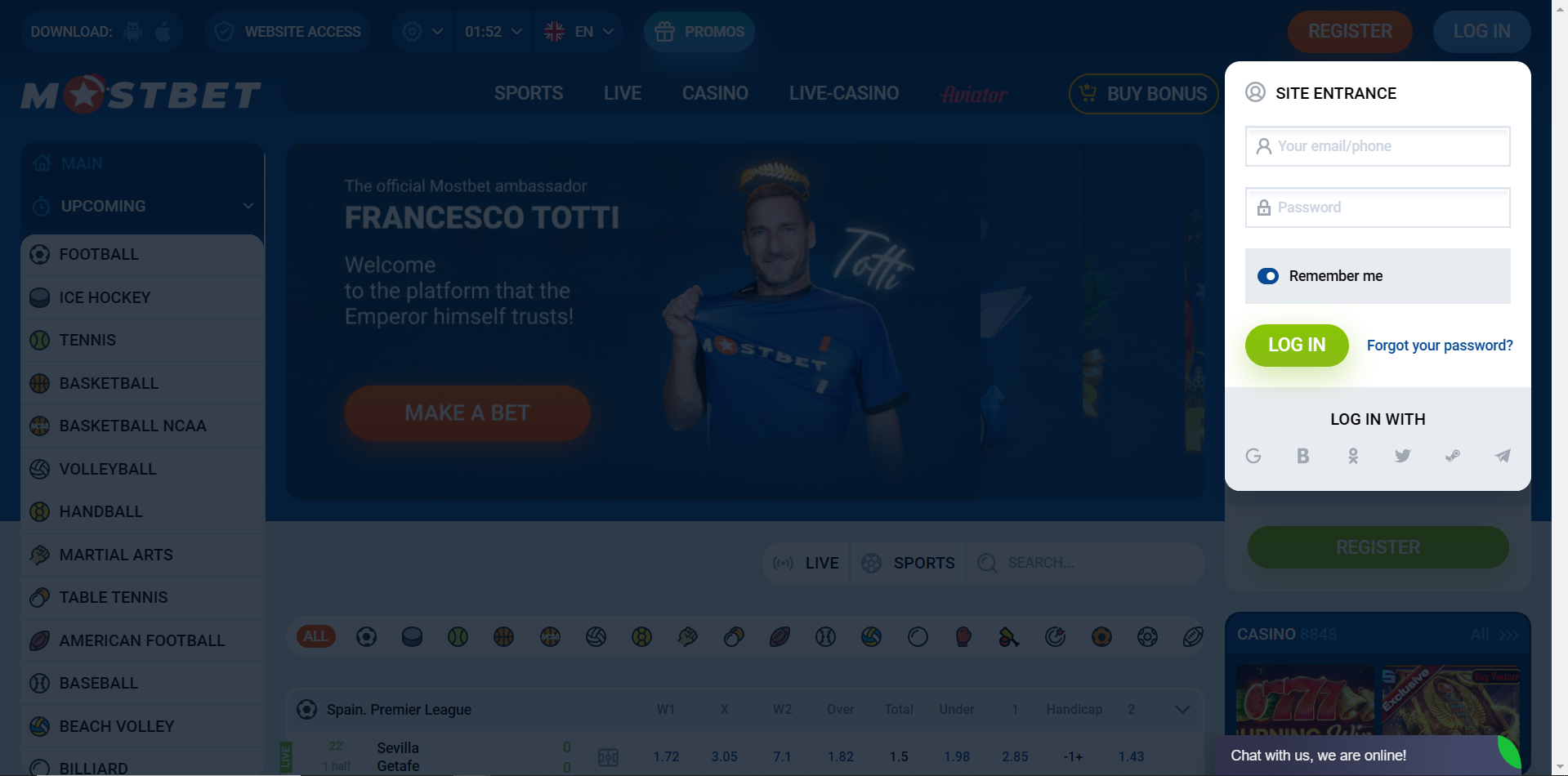
Mostbet online

Mostbet online

Descubra quais bônus do cassino Mostbet podem te ajudar a ganhar grandes vantagens

O site da Mostbet oferece diversos bônus, incluindo um incrível bônus de boas-vindas que concede £500 e £600 giros grátis para novos jogadores. Tudo isso pode ser obtido fazendo 4 depósitos consecutivos. O requisito de aposta na Mostbet para o bônus de boas-vindas é de 50x e o depósito mínimo para participar da promoção é de £10. Todos os requisitos devem ser cumpridos em até 21 dias, caso contrário, a promoção será encerrada.

Bônus de boas-vindas na Mostbet

A diversão não termina quando você recebe um bônus de boas-vindas e giros grátis. Na Mostbet, os jogadores também podem aproveitar diversos bônus diários, semanais e mensais.

Uma das nossas ofertas favoritas é a Decline and Wins, disponível para todos os jogadores da Moatbet.

Comece o seu fim de semana da melhor forma com o bônus de aposta mínima do Weekend Break. Faça 2 depósitos por semana e jogue em slots para se qualificar para o bônus 2: 20 rodadas grátis no Sugar Food Bonanza. Já ouviu falar do Decline and Wins? São bônus da Pragmatic Play que oferecem aos jogadores uma parte dos prêmios da Moatbet!Junte-se a nós mostbet para android local na rede Internet

Competições com muitos requisitos de aposta

Para se qualificar para esta promoção, basta jogar os slots relevantes da Pragmatic Play com o número mínimo de rodadas na Moatbet. Obtenha os maiores jackpots por rodada e você poderá descobrir sua posição na tabela de prêmios da Moatbet. As competições da MostBeet acontecem semanalmente, então, se você não ganhar na primeira semana, tente novamente na semana seguinte e poderá obter o código de bônus da MostBet!

Quão boa é a experiência de jogo móvel na MostBet?

A rápida evolução da tecnologia tornou possível que os jogadores da MostBeet desfrutem de todos os tipos de jogos em seus celulares sem precisar baixar ou instalar um software ou aplicativo. Todos os jogos da MostBeet são compatíveis com dispositivos Android e iPhone. Para obter o melhor desempenho, você deve atualizar seu navegador e sistema operacional para a versão mais recente. Por motivos de segurança, não é recomendável acessar sua conta se você estiver conectado a uma rede Wi-Fi pública.
Se você quiser jogar, não precisa baixar nenhum aplicativo específico, pois tudo está disponível em qualquer navegador de internet móvel. Basta digitar o endereço, encontrar o jogo desejado e o download começará. Obviamente, se você pretende jogar caça-níqueis da Moatbet com dinheiro real, primeiro precisa acessar sua conta.

Benefícios do Moatbet Mobile

Listamos as principais vantagens do Moatbet:
Acesso fácil. Hoje em dia, quase todo mundo usa um celular, então jogar ficou muito mais fácil. Com este dispositivo, você pode acessar todos os jogos quando quiser. Isso proporciona acesso rápido ao site de apostas online e a outras funções.
Mais opções bancárias. O site móvel da Moatbet oferece ainda mais opções bancárias para jogar pelo celular. Assim, fica mais fácil fazer transações, como saques e transferências. Isso agiliza o processamento das transações.
Jogos online em HD no Moatbet. O aplicativo móvel permite que você jogue online com uma visão nítida de tudo. Isso permite que você jogue em tempo real, não importa onde você esteja. Frequentemente, a alta qualidade da ferramenta torna o jogo muito mais realista do que em um computador desktop.

Seasonal Promotions and Tournaments in Online Casinos

The world of online gambling is constantly evolving, with new promotions and tournaments being introduced regularly to entice players and keep them engaged. One popular strategy that online casinos use is seasonal promotions and tournaments. These promotions are typically centered around holidays or special events, and offer players the chance to win exciting prizes and bonuses.
Seasonal promotions and tournaments are a key marketing tool for online casinos. They help to attract new players, retain existing ones, and create a sense of excitement and anticipation among the player base. By offering unique and themed promotions, casinos are able to stand out from the competition and differentiate themselves in the crowded online gambling market.
One of the most common types of seasonal promotions in online casinos is the holiday campaign. Casinos often offer special bonuses and prizes during major holidays such as Christmas, New Year’s, Halloween, and Thanksgiving. These promotions may include holiday-themed games, tournaments, and giveaways, all designed to get players in the festive spirit and encourage them to log in and play.
Another popular type of seasonal promotion is the summer campaign. As temperatures rise and vacation season approaches, online casinos often launch promotions that are tailored to the summer months. These promotions may include beach-themed games, tropical prizes, and bonuses for playing during the summer season. Casinos may also offer special tournaments with larger jackpots and prizes to entice players to stay active during the slower summer months.
In addition to holiday and summer campaigns, online casinos may also run seasonal promotions based on other events or occasions. For example, casinos may offer promotions to coincide with major sporting events such as the World Cup or the Super Bowl. They may also run promotions to celebrate the anniversary Spartans bet of the casino’s launch, or to coincide with a new game release or software update.
One of the key benefits of seasonal promotions and tournaments is that they help to keep players engaged and active on the site. By offering unique and time-limited promotions, casinos are able to create a sense of urgency and excitement among players, encouraging them to log in regularly and participate in the promotions. This, in turn, helps to increase player retention rates and promote long-term customer loyalty.
In conclusion, seasonal promotions and tournaments are a key strategy for online casinos looking to attract and retain players. By offering unique and themed promotions, casinos are able to stand out from the competition and create a sense of excitement and anticipation among players. Whether it’s a holiday campaign, a summer promotion, or a special event promotion, these seasonal campaigns help to keep players engaged and active, ultimately leading to increased revenue and player loyalty.

  1. Attract new players with themed promotions and tournaments
  2. Retain existing players by creating excitement and urgency
  3. Stand out from the competition with unique and themed campaigns
  4. Promote long-term customer loyalty and increase revenue