The Role of Luck in Gambling
Luck is often perceived as the most significant factor in determining the outcomes of games in a casino setting. Many players enter these establishments with the understanding that their success hinges largely on fortune rather than skill or strategy. This widespread belief creates an exciting atmosphere where people hope to strike it rich simply by rolling the dice or spinning the wheel. The idea of luck adds an element of unpredictability, enticing players to take risks they might not normally consider. For those seeking a thrilling experience, a secure online casino with fast withdrawal options transforms the casino floor into a playground of chance, where every moment could lead to a life-changing win or an unexpected loss.
In games like slots, where outcomes are purely random, players experience a heightened sense of anticipation. The randomness fuels excitement, making even the prospect of losing feel exhilarating. As individuals watch the reels spin, they become engrossed in the moment, hoping that luck will be on their side. The emotional rollercoaster they undergo underscores the intricate relationship between luck and player experience; the thrill of potential victory often outweighs the fear of loss. This emotional engagement is what keeps players returning to casinos, further reinforcing the belief in luck’s pivotal role.
However, luck does not operate in isolation. It is influenced by various external factors, including the environment and the company of other players. For instance, some players believe that certain machines or tables carry “good luck,” causing them to favor these areas. Social interactions can also affect one’s perception of luck; sharing a table with a winning player may imbue others with a sense of shared fortune. This illustrates how luck, while a personal experience, is also shaped by the broader casino dynamic, creating a communal atmosphere where everyone shares in the highs and lows of gameplay.
Psychological Impact of Luck
The psychological aspects of luck play a crucial role in shaping a player’s attitude towards gambling. When players experience winning streaks, even if they are purely coincidental, they may develop overconfidence, believing that luck will continue to favor them. This mindset can lead to poor decision-making; individuals may disregard their strategies or budgets, chasing losses or making larger bets than they typically would. The euphoria of winning reinforces these beliefs, trapping players in a cycle of hope and risk that can be both thrilling and dangerous.
Conversely, bad luck can have a demoralizing effect on players. Experiencing a series of losses can lead to frustration and a negative mindset, adversely impacting future gaming experiences. Players may start to doubt their abilities and even the fairness of the games, causing them to withdraw from play or engage in risky behaviors in an attempt to recoup their losses. This psychological battle showcases how luck is not merely a transient element; it can profoundly influence a player’s emotional state and overall experience in a casino, often determining whether they leave in joy or despair.

Moreover, the perception of luck can further be affected by cognitive biases. The gambler’s fallacy, for example, can lead players to believe that past events influence future outcomes in random games. If a player sees a particular slot machine hasn’t paid out for a while, they may assume it’s “due” for a win. This misperception can fuel a false sense of confidence, guiding their betting decisions based on a flawed understanding of probability and luck in gaming contexts. Such biases can create a self-perpetuating cycle, where players’ beliefs about luck can shape their behaviors and subsequent outcomes.
The Intersection of Strategy and Luck
While luck plays a pivotal role in the casino experience, it’s important to acknowledge the intersection of strategy and chance in gameplay. Many games, such as poker, not only rely on luck but also demand skill and strategic thinking. In these scenarios, players who possess a deeper understanding of the game can gain an advantage, blending skill with the unpredictable elements of luck. Successful poker players often balance their strategies with the acceptance of luck’s variability, knowing that even the best strategies can falter due to unforeseen outcomes. This duality makes the game more engaging and complex.
Betting systems are another area where players try to meld strategy with luck. From progressive betting to fixed betting strategies, individuals often devise plans to mitigate risks or enhance winnings when playing games. However, even the most meticulously crafted systems can fall prey to the inherent randomness that luck introduces. This delicate dance between strategy and chance adds an extra layer of complexity to the casino experience, where one must continuously adapt to the unpredictable nature of luck, often leading to innovative approaches and a deeper appreciation for the games.
Ultimately, many seasoned gamblers understand that while they can control certain aspects of their approach, luck remains an uncontrollable force. It’s this acceptance that enables players to engage more fully in their gaming experiences. The knowledge that they cannot predict or manipulate luck encourages a sense of humility, allowing players to enjoy the thrill of the game rather than obsessing over outcomes. This balance of strategy and luck enhances the overall excitement of the casino environment, as players learn to ride the waves of fortune, embracing both victory and defeat.
Luck and Its Cultural Significance
Luck holds various meanings in different cultures, influencing how people perceive and engage with gambling. In some cultures, luck is celebrated as a powerful force linked to fate and destiny, while in others, it is viewed with skepticism or suspicion. Certain societies may incorporate rituals or superstitions to attract good luck, such as wearing specific colors or carrying lucky charms while gambling. These cultural practices add unique dimensions to the casino experience, shaping how individuals approach games and their expectations of winning, thus enriching the overall atmosphere.
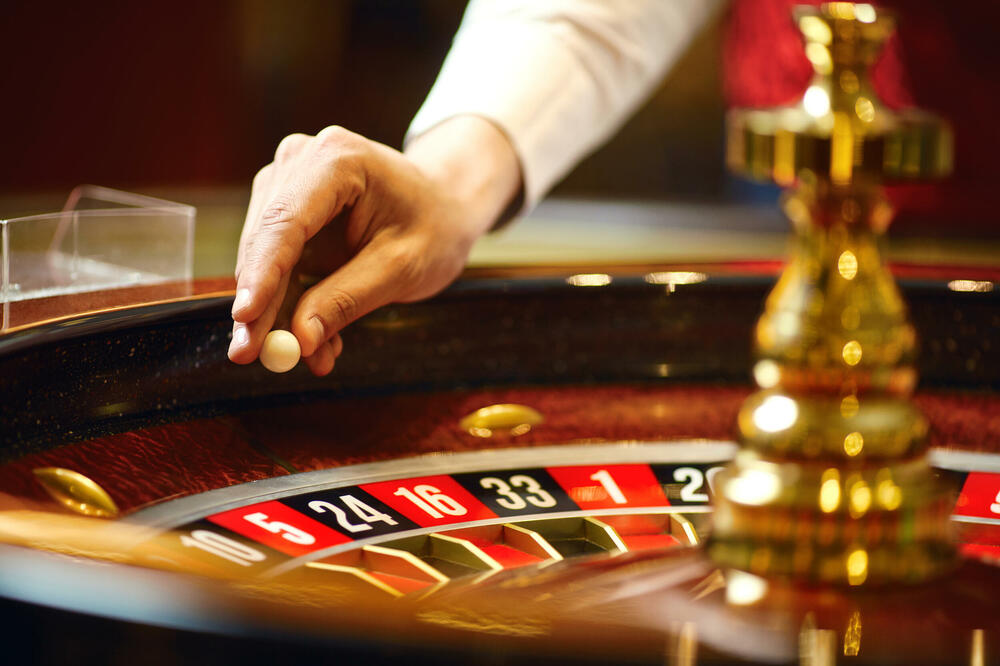
The influence of cultural beliefs extends to the types of games played and the shared experiences among players. In cultures that emphasize luck, you may find a stronger inclination towards games of chance, with players eager to test their fortune. Conversely, cultures that value skill may lean towards strategic games, reflecting a deeper investment in the outcomes at play. The interplay between culture and luck shapes the overall casino atmosphere, fostering a diverse environment filled with varied beliefs and expectations that enhance the richness of the gaming experience.
Moreover, the celebration of luck in gambling can also promote community and shared experiences among players. When people congregate in casinos, they often bond over stories of luck—both good and bad. This social aspect not only enhances individual experiences but also contributes to a larger narrative of gambling culture itself. The celebration of wins and the commiseration of losses create a sense of camaraderie, making luck a central theme in the collective casino experience, allowing players to connect on a deeper level through shared hopes and challenges.
Your Path to Understanding Luck in Gambling
As you navigate the complex world of casinos and gambling, understanding luck can significantly enhance your experience. Recognizing the role of luck and its psychological impacts allows you to approach gambling with a balanced mindset. Embracing both the thrill of chance and the necessity of strategy can lead to a more enjoyable and rewarding experience. By acknowledging the unpredictable nature of luck, you can foster resilience against loss and savor the excitement of the game, creating a more holistic approach to your gambling endeavors.
Learning about the cultural significance of luck can also deepen your insight into the gaming environment. Engaging with the rituals and superstitions surrounding luck can add an extra layer of enjoyment to your time in the casino. By integrating these cultural elements into your gaming approach, you can enhance your connection to the experience and appreciate the diversity of beliefs represented within the space. This cultural engagement can transform your perspective on gambling, making it an enriching experience rather than just a pursuit of monetary gain.
Ultimately, luck will always be a central component of your casino experience. By embracing its unpredictable nature and understanding its psychological and cultural implications, you can approach gambling with a sense of enjoyment and curiosity. Let the thrill of luck guide your gaming endeavors and help create lasting memories, whether you win or lose. Embracing the journey of gambling can lead to personal growth, shared experiences, and a deeper appreciation for the game, making your time in the casino truly unforgettable.


