Overcoming gambling addiction A path to recovery and hope
Understanding Gambling Addiction
Gambling addiction, often referred to as compulsive gambling, is a behavioral disorder characterized by an uncontrollable urge to gamble despite the negative consequences. This addiction can impact various aspects of a person’s life, including relationships, financial stability, and overall mental health. Understanding this addiction is crucial for individuals and their families, as it often begins as a harmless pastime that gradually spirals out of control. Many individuals mistakenly believe that they can quit at any moment, which perpetuates the cycle of addiction. At pickwin-canada.com/, resources are available to aid those on their journey to recovery.

The psychological components of gambling addiction are complex. It can stem from a desire to escape reality or cope with stress. Often, individuals feel a rush when they gamble, creating a cycle of emotional highs and lows. This ‘high’ can lead to a temporary escape from life’s difficulties, but it is followed by feelings of guilt and anxiety. Recognizing these emotional triggers is a vital step in understanding the addiction, as it helps individuals develop strategies to address their urges constructively.
Moreover, the distinction between online and offline gambling can impact the nature of addiction. Online gambling often provides easier access and anonymity, making it more challenging for individuals to recognize their addiction. The convenience of placing bets from home or on mobile devices can lead to increased impulsivity and a higher risk of developing a gambling problem. Understanding these dynamics can help individuals better navigate their gambling behaviors and recognize when they need support.
The Impact of Gambling Addiction
The repercussions of gambling addiction extend beyond the individual to family, friends, and the community. Financial troubles often manifest quickly, leading to debt accumulation, loss of savings, and even bankruptcy. Many individuals will lie to loved ones about their gambling habits, causing strain in relationships. Financial stress can also lead to emotional distress, triggering feelings of shame and isolation, which further perpetuate the cycle of addiction.
In addition to financial challenges, the mental health effects of gambling addiction can be severe. Many individuals experience anxiety, depression, and feelings of hopelessness as they grapple with their addiction. The shame associated with gambling can prevent individuals from seeking help, leading to a worsening of their mental health. This interconnectedness between financial and emotional issues highlights the need for comprehensive treatment plans that address both areas.
Social impacts also play a significant role. Communities can feel the effects of gambling addiction through increased crime rates associated with desperation and financial strain. Addiction can lead individuals to engage in illegal activities to fund their habit, creating a ripple effect that affects the wider community. Understanding the broader implications of gambling addiction is essential for fostering a supportive environment that encourages recovery.
Steps to Recovery
Recovery from gambling addiction is a multi-faceted process that typically begins with recognition and acceptance of the problem. Acknowledging the addiction is often one of the most challenging steps, but it is essential for the healing process. Individuals must confront the consequences of their gambling behaviors and the impact it has had on their lives and those around them. This acceptance can pave the way for seeking help and developing a personalized recovery plan.
One of the most effective ways to overcome gambling addiction is through professional treatment, which may include counseling or therapy. Cognitive-behavioral therapy (CBT) has been shown to be particularly beneficial, helping individuals identify and change negative thought patterns related to gambling. Support groups, such as Gamblers Anonymous, provide a sense of community and accountability, allowing individuals to share their experiences and coping strategies. Building a support system is critical in maintaining long-term recovery.
Establishing healthy coping mechanisms is another vital aspect of recovery. Individuals should explore alternative activities that can replace the urge to gamble, such as engaging in sports, hobbies, or community service. Developing healthy routines can fill the void left by gambling, creating a fulfilling life without the need for risk-taking behaviors. A proactive approach to mental wellness can significantly bolster the recovery process.
Online vs. Offline Gambling: Unique Challenges
The rise of online gambling presents unique challenges for individuals struggling with addiction. Unlike traditional gambling venues, online platforms offer 24/7 access, anonymity, and often aggressive marketing tactics that can lure individuals back into harmful habits. The ease of placing bets with a click of a button can lead to impulsive decisions that may exacerbate an existing gambling problem. Understanding these factors is vital for developing effective prevention and treatment strategies.
Offline gambling environments typically provide a different set of challenges, such as the social pressures of being in a casino and the potential for binge gambling during outings. Social interactions can normalize gambling behaviors and make it difficult for individuals to recognize their addiction. Both online and offline environments require tailored approaches for treatment and prevention, as the triggers and experiences can vary significantly.
Furthermore, the consequences of gambling addiction can differ between online and offline settings. Online gamblers may face the risk of identity theft and financial fraud, while offline gamblers may encounter more immediate social repercussions. Addressing these distinctions is essential for creating targeted awareness campaigns that educate individuals about the risks associated with both forms of gambling. By doing so, communities can foster a more informed public that is better equipped to tackle gambling addiction.
Finding Support and Resources
For those seeking to overcome gambling addiction, numerous resources and support systems are available. Local and national organizations offer hotlines, counseling services, and educational materials aimed at raising awareness about gambling addiction. Many of these organizations provide free or low-cost services to ensure that financial barriers do not prevent individuals from seeking help. Accessibility to resources is crucial in empowering individuals to take the first steps toward recovery.
Support groups, both in-person and online, provide a safe space for individuals to share their experiences, struggles, and successes. These communities foster a sense of belonging and accountability, often becoming a lifeline for those in recovery. Engaging with others who understand the challenges of gambling addiction can be incredibly reassuring and motivational.
Additionally, educational programs can equip families with the knowledge they need to support their loved ones. Understanding the nature of gambling addiction, its signs, and how to address it can empower families to create a supportive environment that promotes recovery. The role of family and friends in this journey cannot be overstated, as their support can significantly influence the outcome of an individual’s recovery efforts.
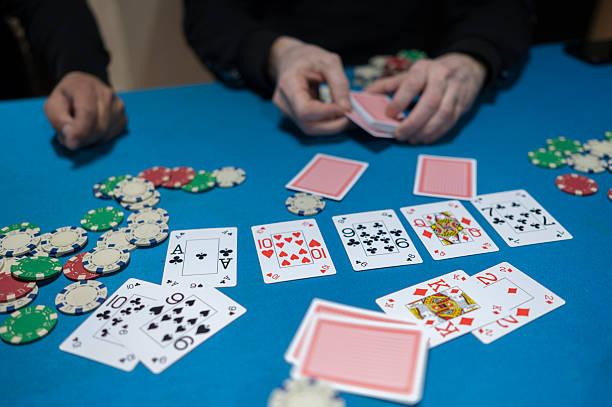
Join the Journey to Recovery with Us
At PickWin Casino Canada, we are committed to fostering a safe and enjoyable gaming environment for our players. While we provide access to a wide array of games, we also recognize the importance of responsible gaming. Our platform offers resources and tools to help players understand the risks of gambling and make informed decisions. We encourage individuals to play responsibly and seek help when needed.
For those who may be struggling with gambling addiction, we promote awareness and provide links to support services and resources. Our goal is to ensure that gaming remains a fun and thrilling experience, free from the challenges of addiction. We believe that every player deserves a safe space to enjoy their favorite games while also having access to information on responsible gambling practices.
In conclusion, overcoming gambling addiction is a journey filled with challenges, but hope and recovery are possible. By understanding the complexities of addiction, seeking support, and utilizing available resources, individuals can reclaim their lives and move towards a brighter future. Remember, you are not alone in this journey, and help is always within reach.


